skilltopus

Try a free lesson:
Sketch Something Delicious!
Grab a liner and turn a simple fried egg into a juicy, vibrant sketch in just 15 minutes.

Materials & Quick Warm-Up
No heavy gear needed, just a sketchbook, a fineliner, and a couple of markers. We’ll start with a quick, easy warm-up to relax your hand and erase the fear of a blank page forever.

Juicy Food Sketching
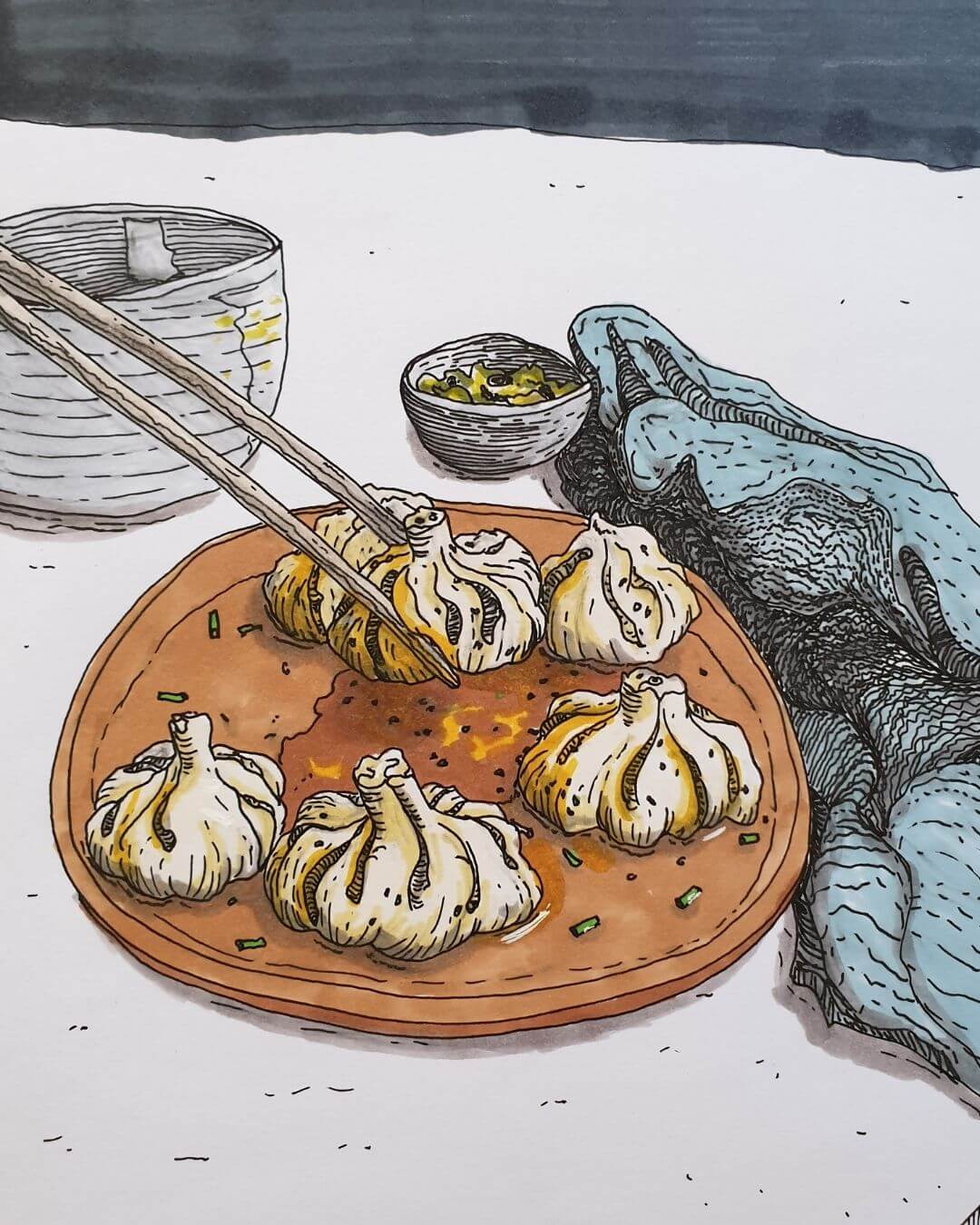
Learn to draw food that looks good enough to eat. Using a simple fried egg as our guide, you’ll master rich volume, appetizing textures, and vibrant colors with just a few strokes.

Capturing Live People
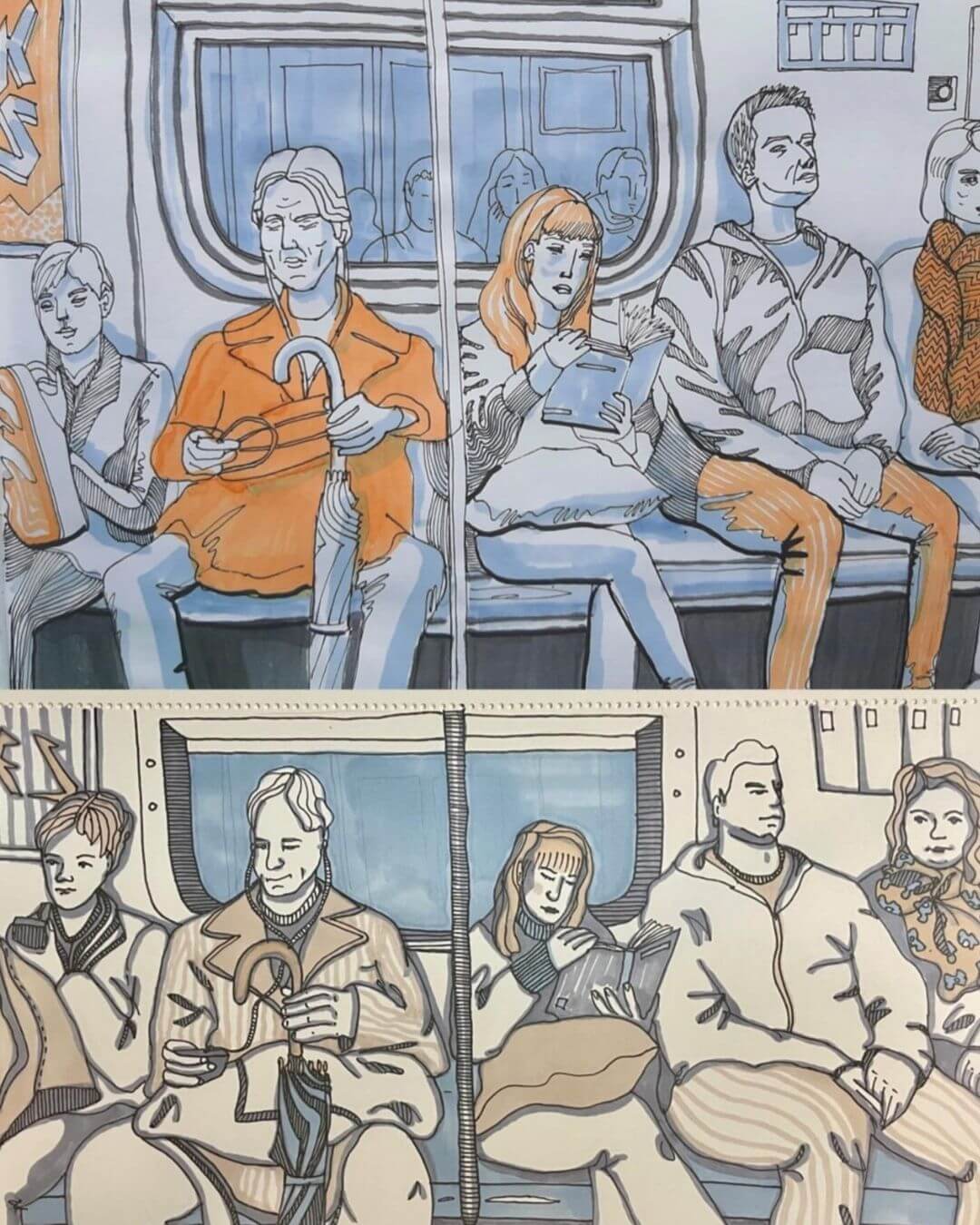
You will learn to draw people who actually feel alive: catching quick gestures of strangers on the street, transferring the energy of a walk, and mapping character or emotion in just a few confident lines. No boring anatomy drills required.

Architecture & City Fragments
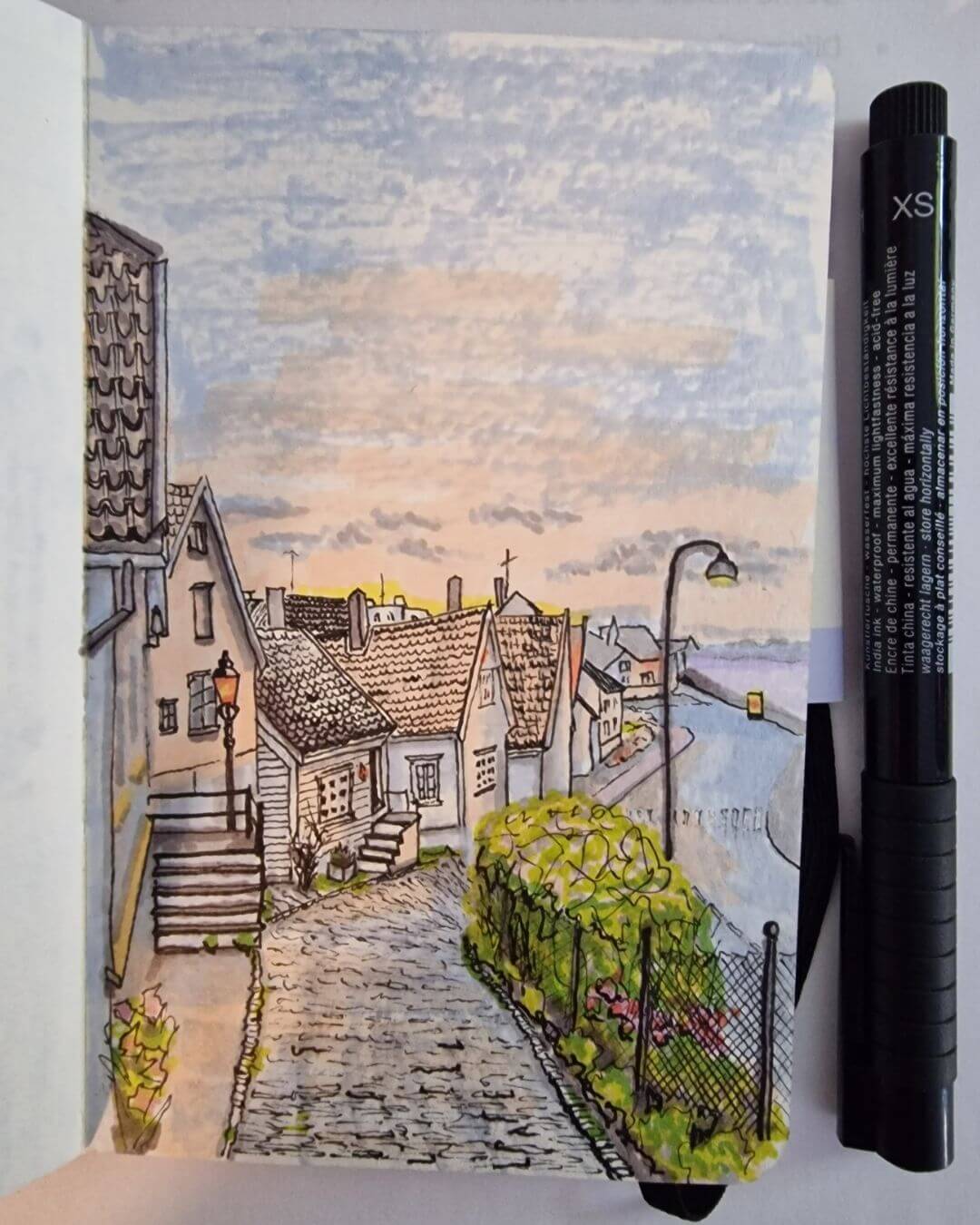
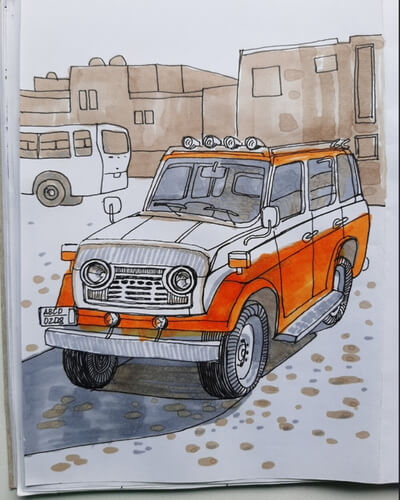
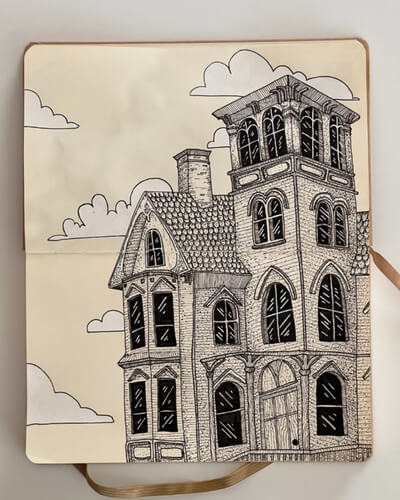
Tame the city streets. Learn to sketch architectural details, facades, windows, and even cars naturally. You’ll combine all these skills into one stunning final travel spread.


Materials: Simple & Flexible
Keep it simple. All you really need is a couple of black fineliners (universal sizes like 0.3 or 0.5 mm work best) and any sketchbook or plain paper you have at home. Markers or felt-tip pens are totally optional for adding pops of color, we’ll share the exact recommendations and details once you’re inside the course!
Want more details? Grab our free sketching materials guide right here.

Student sketches
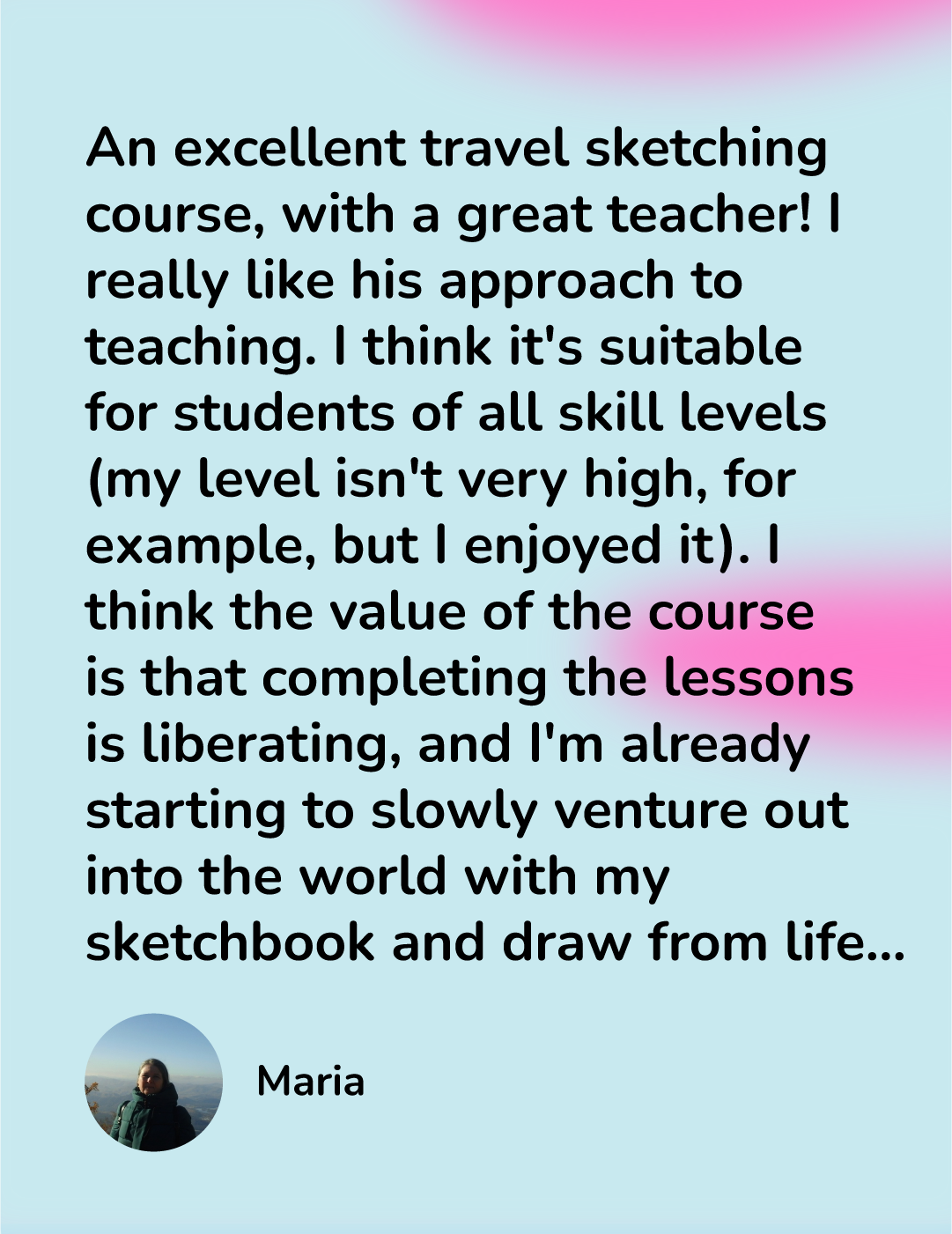
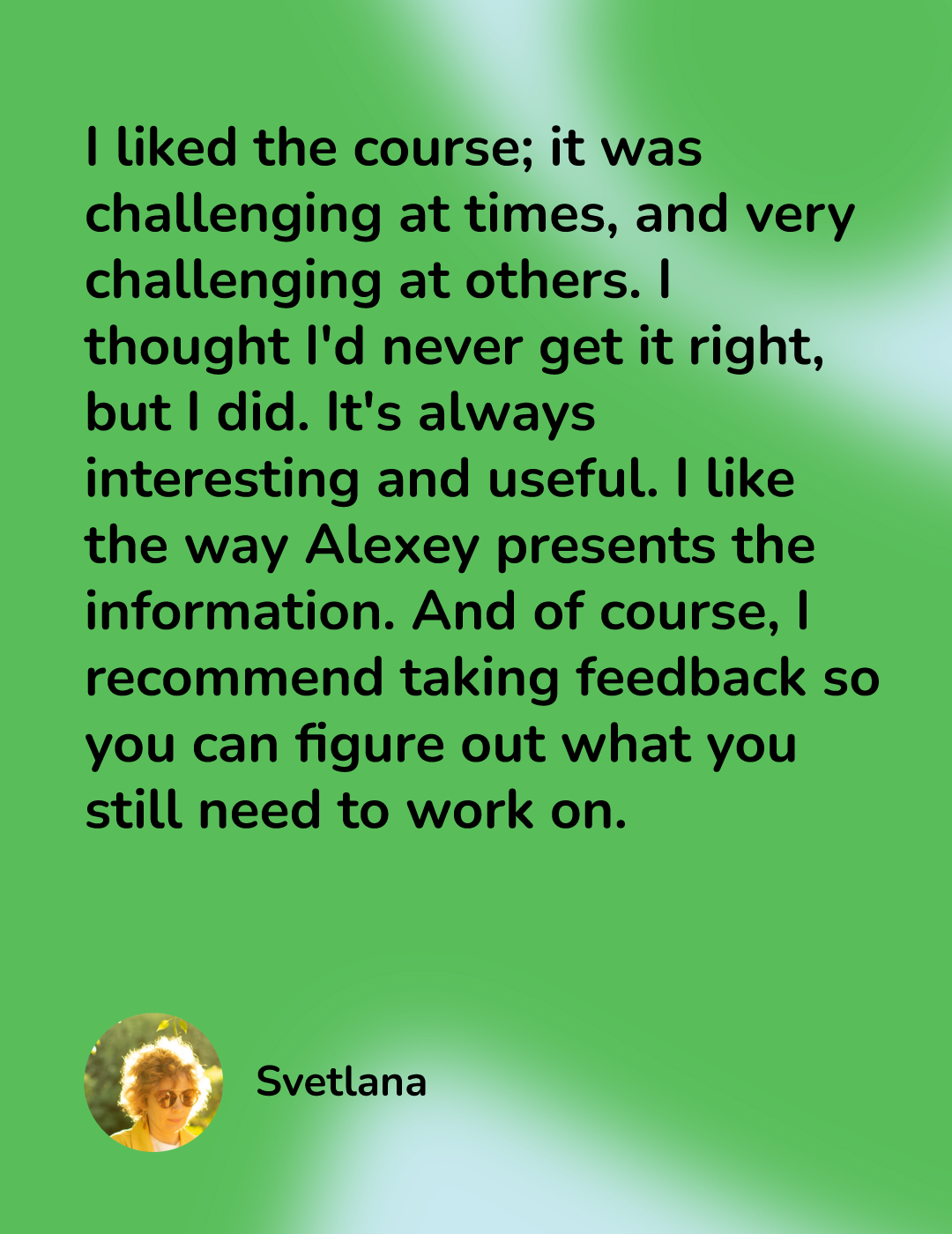
What our students say
Meet your teacher!

Alexey Zhalibo
Artist & illustrator
Alexey is here to show you that sketching isn't about perfect lines. It’s about enjoying the moment! For years, he’s been filling his sketchbooks with everything from busy city streets to morning coffee cups, helping thousands of students drop their fear of the blank page.
He doesn't believe in boring academic rules or rigid theory. His main goal is to help you find your own unique style, catch a relaxed flow, and start drawing the world around you with pure joy. Join him, and let’s start creating together!
Find your perfect learning rhythm: practice on your own or level up twice as fast with personal teacher feedback.
Track 1: Solo Practice
Perfect if you love a relaxed, independent pace. You get full access to all step-by-step video lessons and community chat, letting you build your skills whenever and wherever you want.
Track 2: With Teacher Feedback
Best if you want real results without guessing. After every lesson, you’ll get clear, personal text reviews from your instructor showing exactly what already works well and how to fix your mistakes to level up immediately.
Make your sketching journey even easier and more fun!
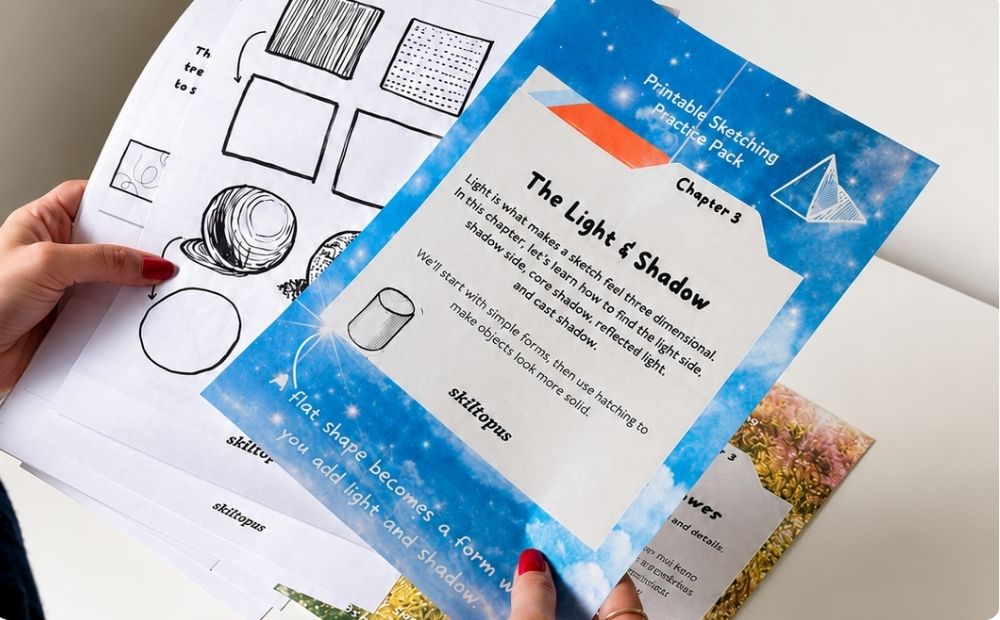
You don't have to face the blank page alone. We’ve prepared these printable Workbooks so you can dive straight into the joy of drawing without the guesswork.
✏️ The Sketching Workbook: Master lines, light, and shading through simple, calming exercises. Comes with bonus video walkthroughs and printable art prints.
🌿 The Plant Sketching Workbook: Learn the exact, playful formulas for sketching beautiful leaves and botanical textures. Includes postcard templates—perfect for creating personalized, heartfelt gifts.
Normally €19 each. Add one for €9 or wrap both in a cozy bundle for just €18 to get 100+ pages of guided practice sheets and creative extras.
Choose your track and start drawing today!
Pick the learning option that suits you best. Both tracks include full access to all course lessons and materials for 3 months. The only difference is whether you would like personal teacher feedback.
Any Workbook you add comes with lifetime access, so you can download, print, and return to the exercises whenever you like.
See you inside the course! ✨
Save More with Bundles
Save up to 40% on sketching courses and workbook bundles.
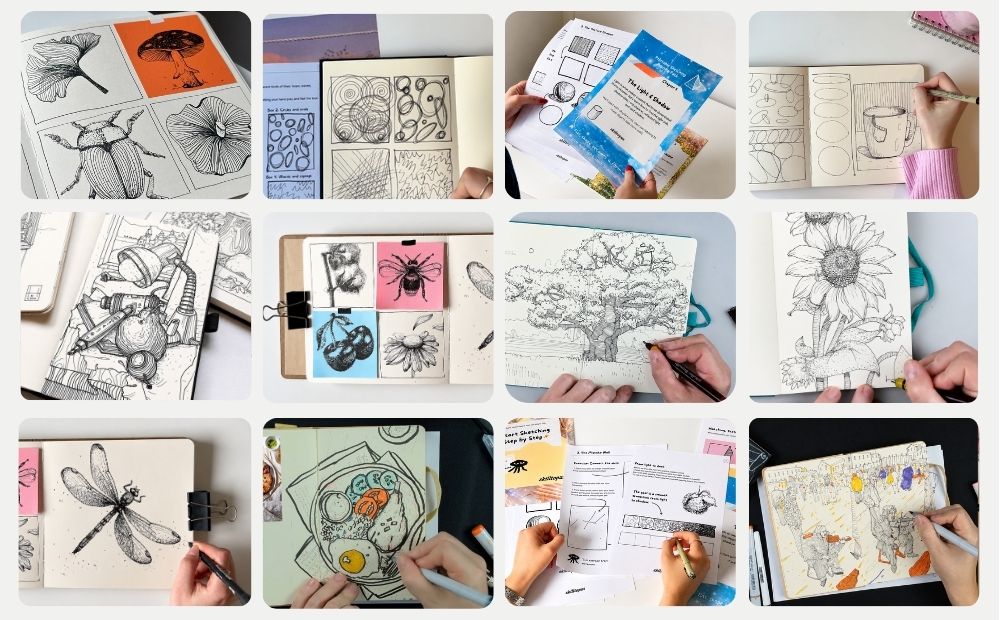
Build Your Own Sketching Bundle!
Choose 2, 3 or 4 courses based on what you actually want to learn, then add optional workbooks for extra hands-on practice.
Workbook Bundles
Build your own sketching collection. Mix and match your favourite workbooks and save more when you bundle.
Complete Sketching Bundle
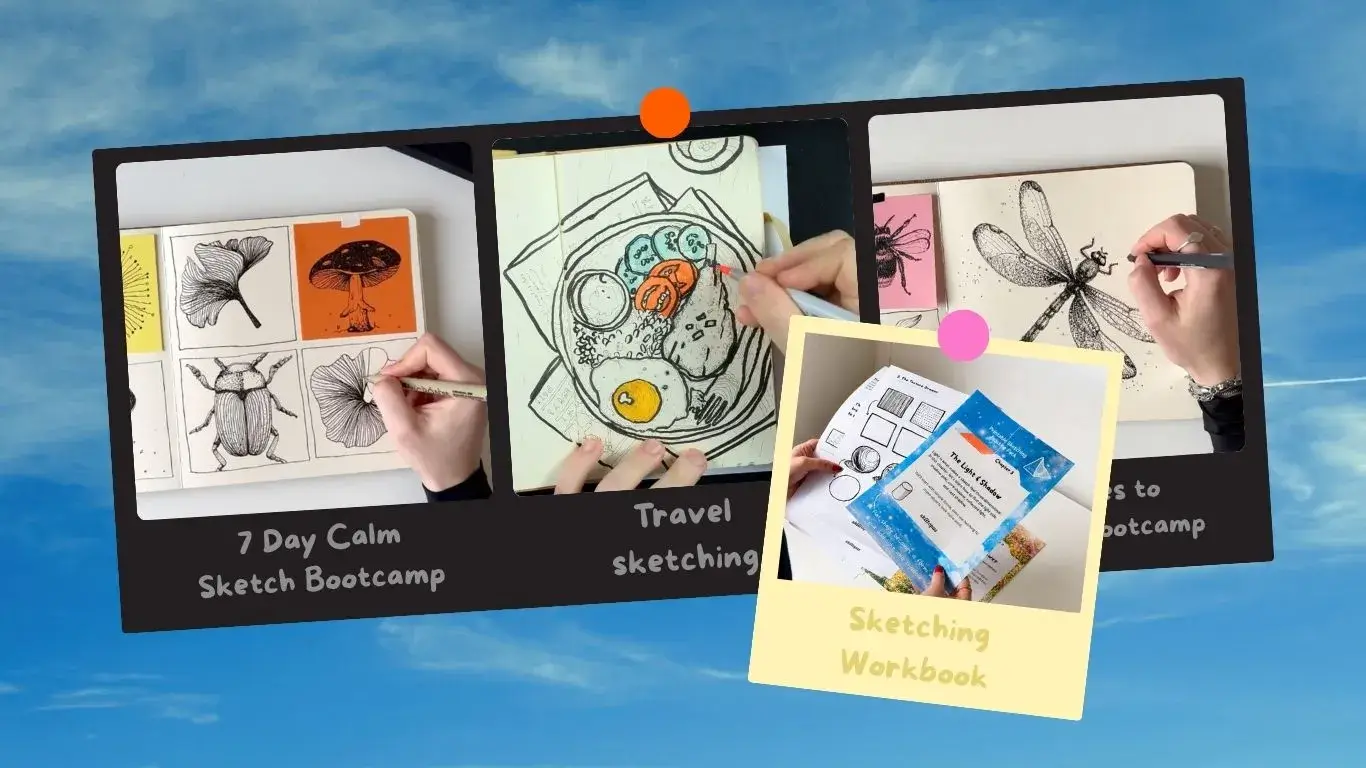
The full sketching path from first lines to confident travel sketches.
🗨️ FAQ